Less admin, more boarding.


Take each animation job from first hold to final invoice. The studios holding your dates, the stages each client signs off, and the hours and invoices for every booking, in one place.
Free to start. No card needed.
Hold here longer
Tidewell · explainer
2/5- Animatic approved
- Rough animation, scene 1
- Clean-up and color
- Storyboard approved
- Script approved
An explainer is a project with its own canvas. The storyboard lands as a grid of panels, the client's note goes on a sticky beside the one to redraw, the animatic drops in as a video, and the project's task list shows what's been signed off.
The admin that comes with booked animation work
A freelance animator's calendar is held by studios that haven't booked yet. A first hold costs the studio nothing and can sit for weeks. Once a job is booked, the client signs off stage by stage, and a change after the animatic is the expensive kind.
The first hold that never books
A studio has held two weeks of November since September. Nobody has called to book them, and another studio wants the same days.
The change after the animatic
The client approved the animatic three weeks ago. Now they want a new opening shot, and the approval is somewhere in an email thread.
The days past the booking
The job was booked for ten days and ran to thirteen. The extra three are in a message to the producer, with no rate written next to them.
The agency waiting on its client
The spot aired in the spring. The agency says it pays you when its client pays it, and it has said so every month since.
At the puppet set
See every shot left before delivery
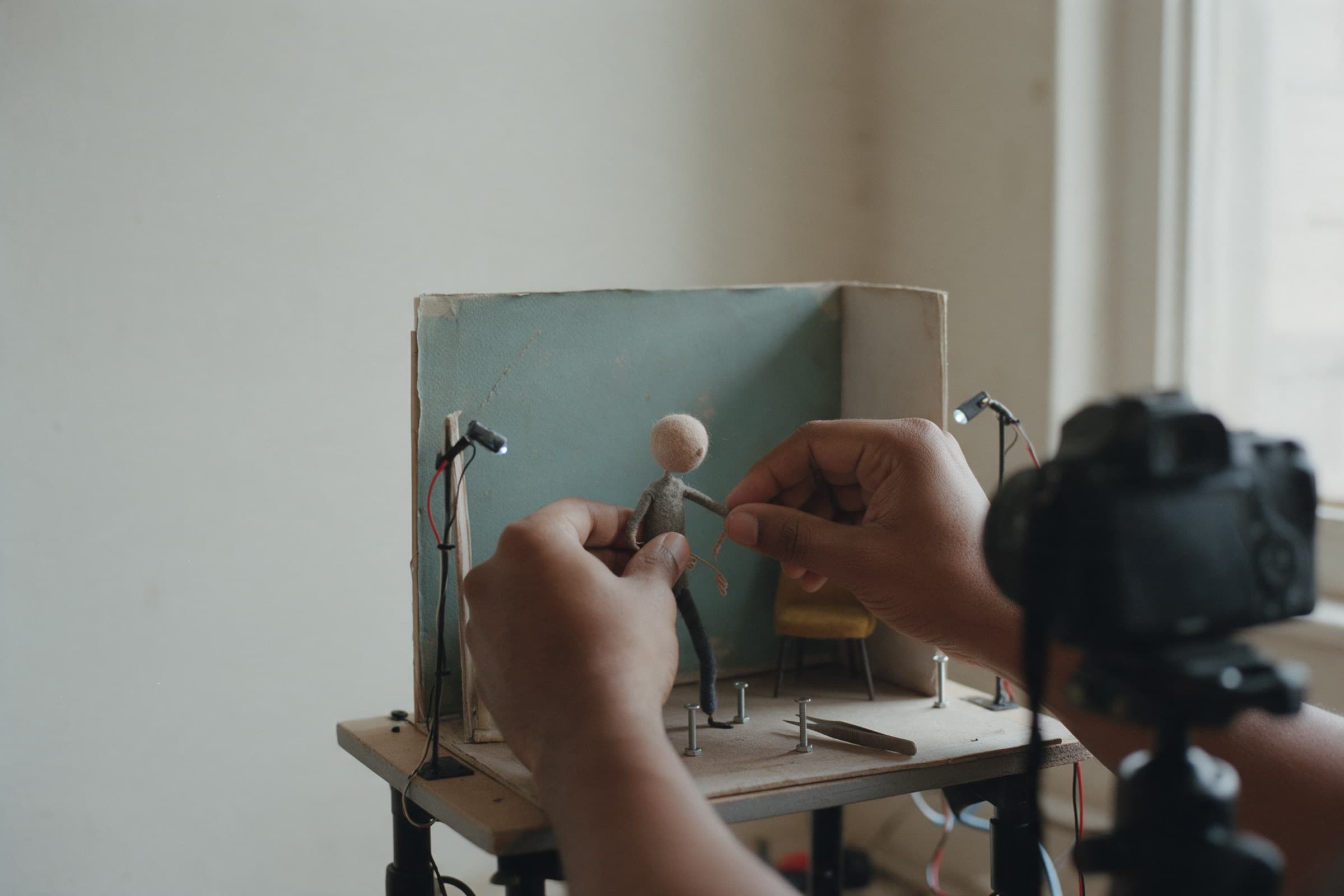
A stop-motion spot is a project with each step as a task: the animatic, each shot, comp and color. Today lists what's due across every job, so shot 4 gets animated on schedule, and the hours on set are logged to the project as you go.
Keep every studio's hold on one board
Start a pipeline from Blank and name it Holds, with Second hold and First hold as stages and Booked and Released as outcomes. Each studio is an organization on it, with the dates in its notes and the day it said it would confirm as the results deadline. When a challenge comes in, log it on the first hold's card with tomorrow as the next follow-up. The studio that books moves to Booked, and Promote to project starts the job with the studio as client.
How outreach worksHolds
Studios holding your dates
Second hold
2No studios
First hold
1No studios
Booked
Outcome1No studios
Released
Outcome0No studios
Get each stage signed off, with a date
Rename your project statuses to the stages a job moves through: Script, Storyboard, Animatic, Animation, Comp and Delivered. Each sign-off is a task with a due date, linked to the job and to the agency's producer, so it shows on their record too. When the animatic is approved, tick it off and move the job to Animation from its status.
How projects workJuniper Oat · 30-second spot
Client Brightfield · 2D · due Dec 12
Status
AnimaticHighTasks
2 / 5 done- Script approvedNoor HaddadOct 6
- Storyboard approvedNoor HaddadOct 17
- Animatic approvedNoor HaddadToday
- Animation approvedNoor HaddadNov 21
- Final delivery approvedNoor HaddadDec 12
Tools for the full animator's year
Festival deadlines, the summer market and the fall's commercial work come around every year. Each one has a place in Plya.
- January to FebruaryJan to Feb
The Annecy deadline
Annecy takes short films until mid-February. Exporting the festival cut and filling in the entry are tasks dated before it.
- March to AprilMar to Apr
Ottawa opens
Ottawa's entries open March 1 and are free, with a Commissioned category for commercials and title sequences. Which of the year's jobs to enter goes in a note.
- May to JuneMay to Jun
Annecy and the market
The festival and its market, Mifa, run in late June. Annecy is listed in Opportunities, where you can mark it Attending.
- July to AugustJul to Aug
After the market
The studios and producers you met at Mifa go in Network, each linked to their studio, with a note on what they're making next.
- September to OctoberSep to Oct
Ottawa and the fall's jobs
Ottawa runs in late September, and the fall's commercial work gets booked. Each job is a project with its sign-offs as dated tasks.
- November to DecemberNov to Dec
The year's last bookings
Before studios close their books, the hours from each booking go on an invoice. Finance shows what's paid and what's still open.
Keep each studio's terms with the studio
A note linked to the studio's organization holds what you agreed: your day rate, how long a day runs, how days past the booking are billed, and who releases a hold. When a producer calls with a new job, open the studio in Network and the terms are there.
Made for every kind of studio
Furniture
Commissions, deposits and the design trade
Lighting
Trade orders, tear sheets and showrooms
Ceramics
Wholesale orders, stockists and commissions
Textiles
Commissions, licenses and galleries








Spend more time animating
The holds, the sign-offs and the invoices go in Plya, where you can find them.